
Innovation
Adopting the latest technologies and green solutions.
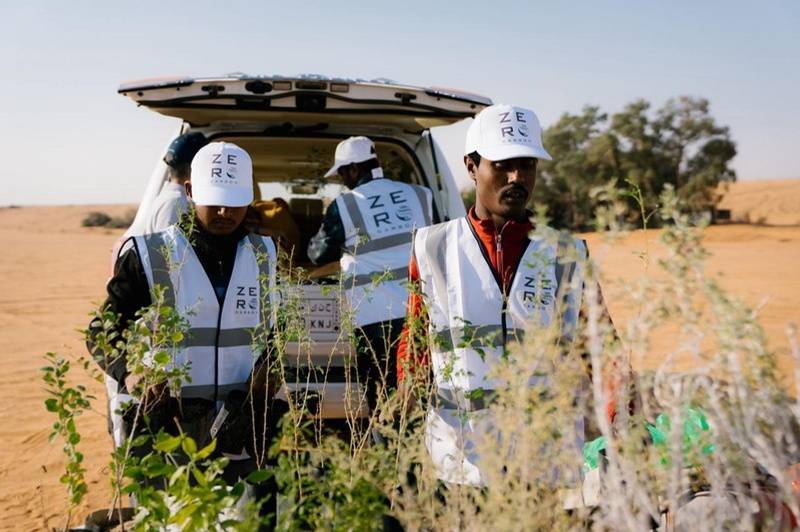
A team of specialists and enthusiasts in agriculture and sustainability, united by a deep passion for preserving nature and a genuine desire to create pioneering solutions that help rehabilitate the desert environment and transform it into vibrant oases.
To become the first national model in establishing wildlife reserves and protecting wildlife, and to reach a production capacity exceeding 15 million saplings annually to support environmental sustainability in the Kingdom.
Actively contributing to environmental protection, reducing carbon emissions, developing vegetation cover, and combating desertification through cultivating rare native trees and wild plants, alongside spreading a culture of sustainability among future generations.
Sustainable Environment Foundation is a national entity specialized in environmental and agricultural services, desertification control, and vegetation cover development, operating under the registered trademark Zero Carbon, CR No. 7051403249.
Zero Carbon Reserve is one of the largest and most important environmental reserves in the Eastern Region, established in 2017 to be a leading national model in preserving plant diversity and reviving natural vegetation cover, and it hosts more than 200 species of wild plants and trees.
The foundation operates in line with the goals of Saudi Vision 2030 and the Saudi Green Initiative, in cooperation with the National Center for Vegetation Cover Development and Combating Desertification, the National Center for Wildlife Development, and the National Center for Environmental Compliance.
Adopting the latest technologies and green solutions.
Promoting transparency and responsible environmental practices.
Building strategic relationships to maximize environmental impact.
A lasting commitment to protecting the environment for future generations.
Field and technical teams working together from study to planting to documentation — drag the strip left and right.
Environmental impact studies, site assessment, and developing rehabilitation plans.
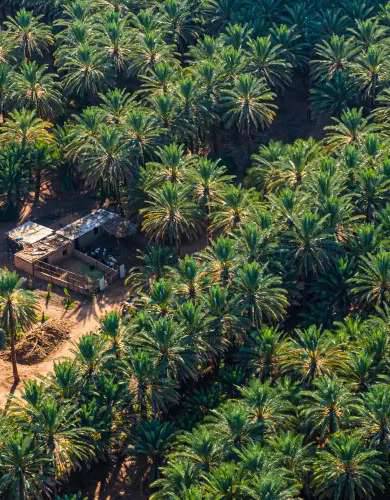
Designing parks, green belts, and walkways suited to the local environment.
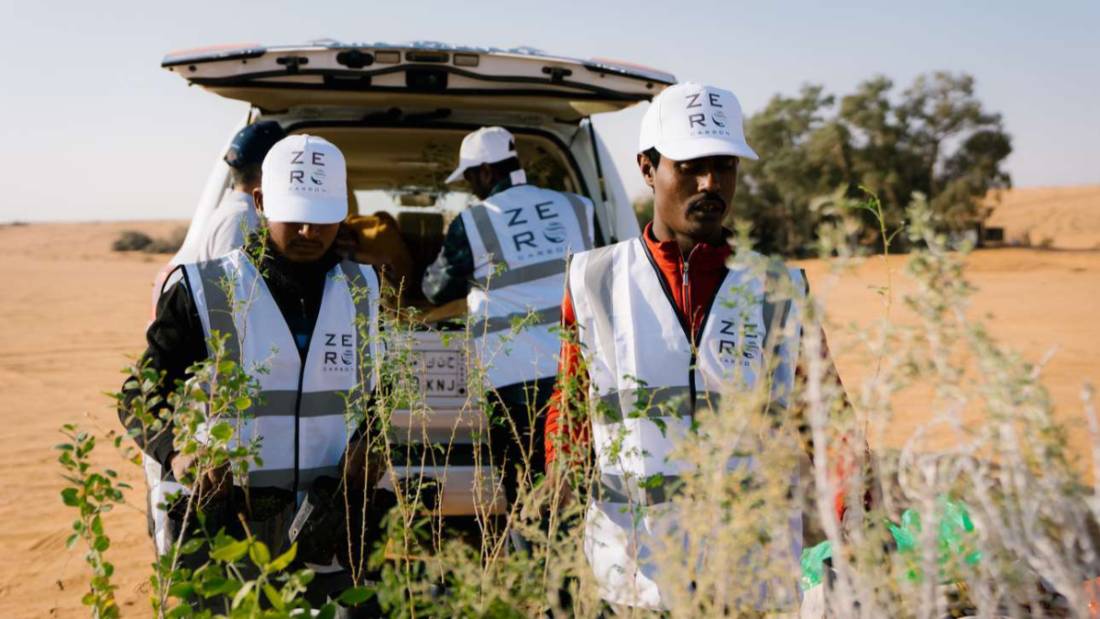
Propagation and cultivation, irrigation programs, and monitoring sapling growth on site.
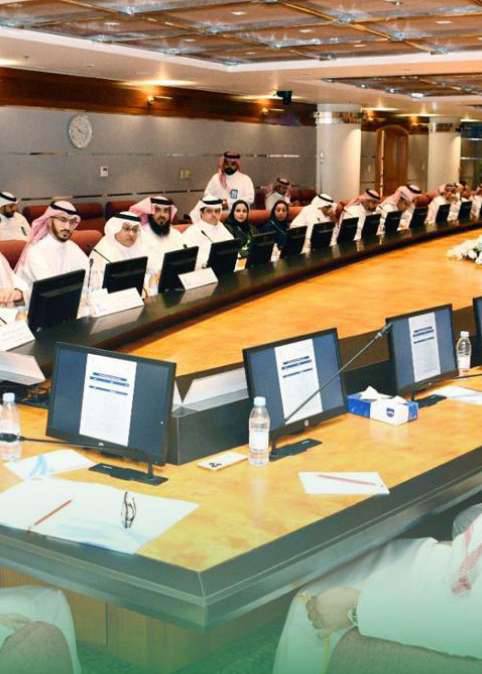
Reports, awareness programs, and educational materials for schools and organizations.
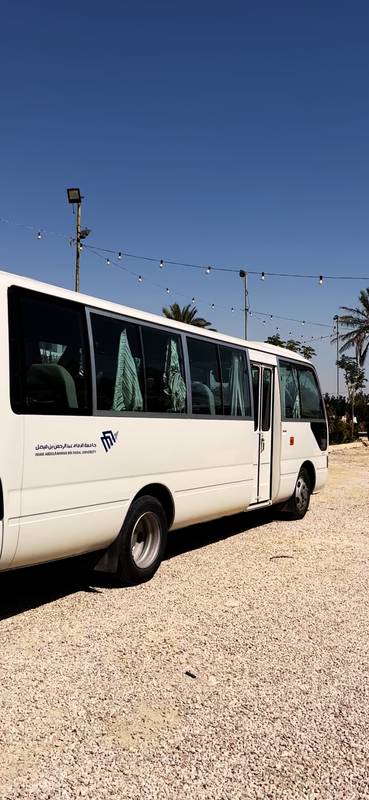
Documenting projects and initiatives, and archiving rare plants through photo and video.
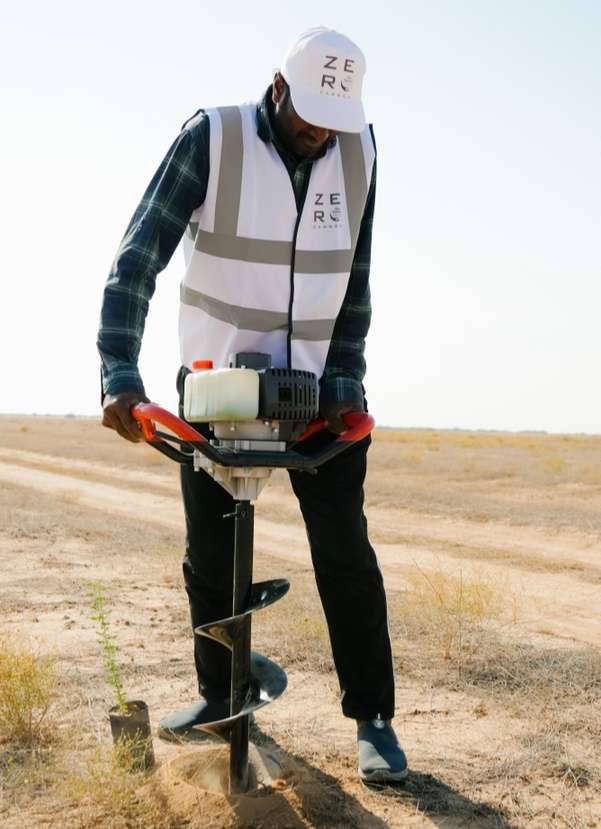
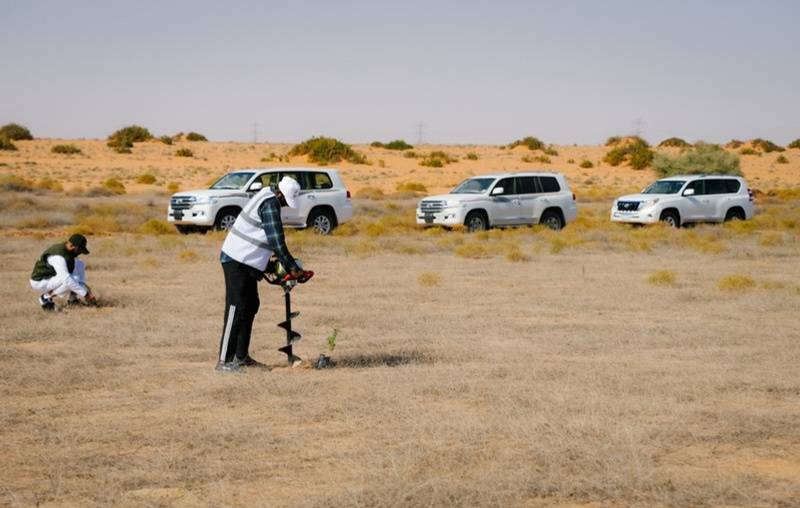
Digging, planting, and installing protection networks across reserves and sites.