GhafProsopis cineraria
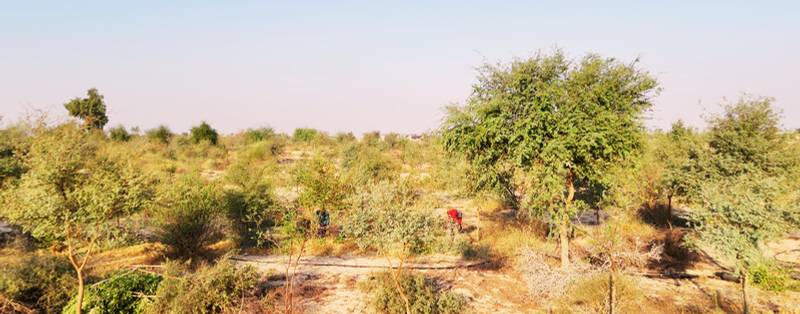
A long-lived tree 6-12m tall, stabilizes sand dunes and withstands temperatures over 50°C.
Zero Carbon Reserve guide — five categories explaining each plant’s nature, environment, soil, irrigation, propagation, tolerance, maintenance, and recommended use.
الأحزمة الخضراء والأسوار النباتية تمثل خط الدفاع البيئي الأول ضد التصحر، وتُستخدم لتثبيت التربة، وتقليل الغبار والعواصف الرملية، وتخفيض درجة الحرارة، وزيادة التنوع الحيوي.
A long-lived tree 6-12m tall, stabilizes sand dunes and withstands temperatures over 50°C.
A thorny tree up to 8m; its fruit (nabk) is edible and it thrives in all soil types.
An umbrella-shaped canopy, 3-10m, produces high-value Talh honey and stabilizes sand.
A medium thorny tree with a dense canopy, a pioneer species in semi-arid areas.
Produces gum arabic, grown in semi-arid regions, 25-45°C.
Tolerates high salinity, used for coastal fences.
Wide shade, suitable for urban roads and public parks.
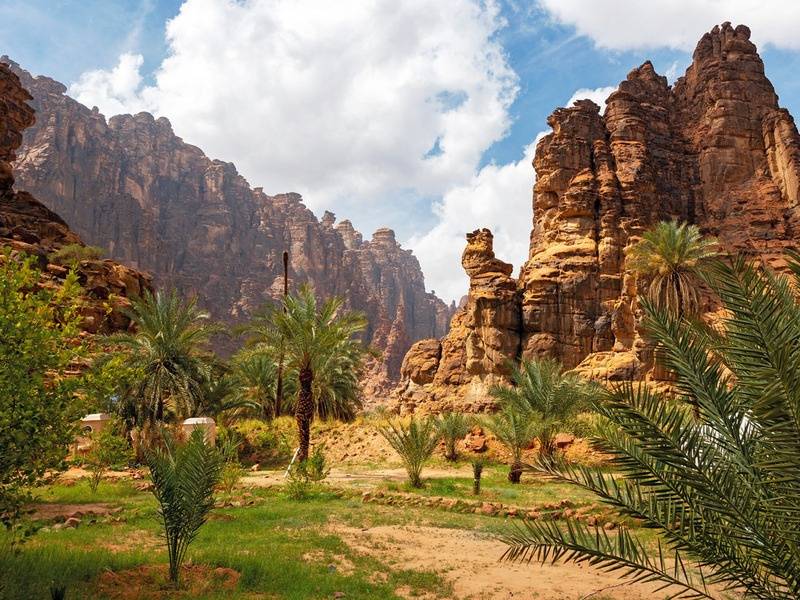
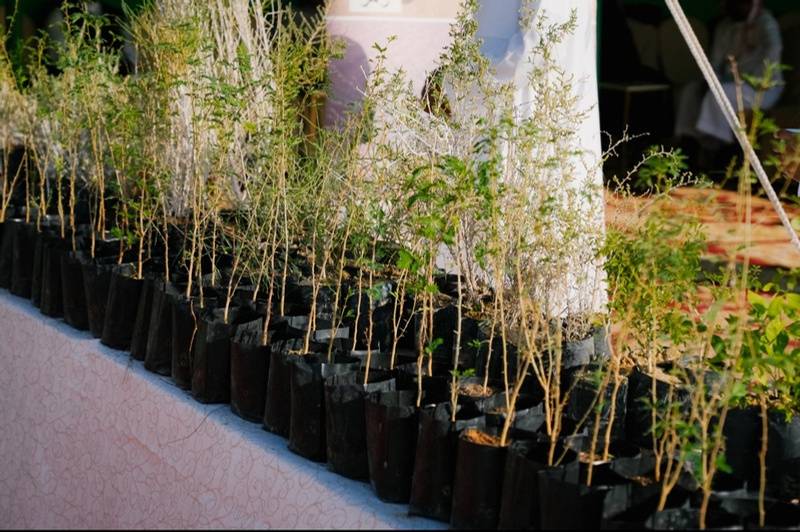
Green belts and vegetative fences represent the first line of environmental defense against desertification, used to stabilize soil, reduce dust and sandstorms, lower temperature, and increase biodiversity.